

Exploring how cultural perceptions shape attitudes toward gambling
Exploring how cultural perceptions shape attitudes toward gambling
Cultural Attitudes Towards Gambling
Cultural perceptions play a crucial role in shaping individual attitudes toward gambling. In some societies, gambling is viewed as a harmless form of entertainment, while in others, it is seen as a vice or a moral failing. For instance, cultures that celebrate chance and luck often embrace gambling as a part of their social fabric, highlighting its significance in festivities and community gatherings. If you’re curious about one of the leading gaming platforms, check out https://nogamstop-casinos.co.uk/review/winstler-casino/, which showcases many aspects of modern online gaming. Conversely, cultures that prioritize responsibility and financial stability may adopt a more cautious stance, perceiving gambling as potentially harmful.
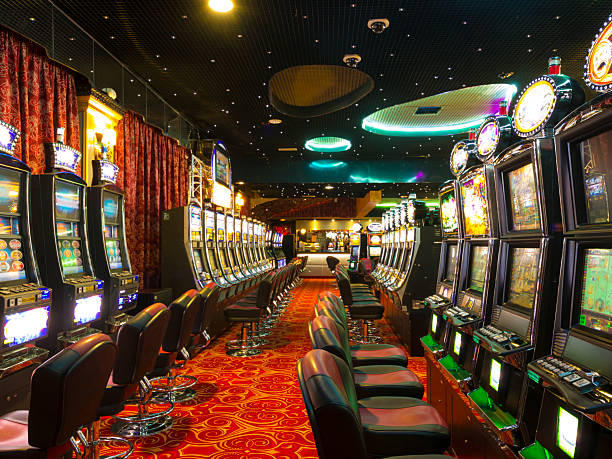
These differing views can lead to varied legal frameworks and regulatory environments surrounding gambling activities. In regions where gambling is accepted, there are usually more lenient laws governing casinos, online gambling platforms, and betting. In contrast, areas that associate gambling with negative social consequences often impose strict regulations, limiting access and participation. Such cultural underpinnings influence not only how individuals engage with gambling but also the types of gambling activities that flourish.
The Impact of Religion on Gambling Perceptions
Religious beliefs significantly influence cultural attitudes toward gambling. Many religions hold explicit teachings regarding the morality of gambling, often framing it as sinful or unethical. For example, in Islam, gambling is strictly prohibited as it is seen as a wasteful activity that detracts from personal responsibility. Similarly, various Christian denominations view gambling as a temptation that can lead to addiction and moral decay.
These religious views can affect community norms, leading individuals to either embrace or shun gambling activities. In communities where religious teachings dominate, individuals may face social stigma for participating in gambling, while those in more secular societies may find greater acceptance. This divergence showcases how deeply ingrained beliefs can shape public perception and personal choices related to gambling.
Media Influence on Gambling Norms
The portrayal of gambling in media can significantly alter cultural perceptions and attitudes. Movies, television shows, and advertisements often glamorize the gambling lifestyle, presenting it as thrilling and lucrative. Such portrayals can create unrealistic expectations and promote a favorable view of gambling, especially among younger audiences who may be more impressionable.
Conversely, negative media representations, such as stories highlighting gambling addiction and its consequences, can deter individuals from engaging in gambling. These contrasting narratives reflect and reinforce societal attitudes, highlighting the power of media in shaping perceptions about gambling. Therefore, the media serves as both a mirror and a mold of cultural norms, influencing how individuals approach gambling in their lives.
Historical Context of Gambling Practices
Understanding the historical context of gambling practices is essential for grasping current cultural attitudes. In many societies, gambling has ancient roots, often tied to rituals and traditions. For instance, historical games of chance, such as dice and card games, have been integral to social gatherings, serving as a means of entertainment and socialization.
Over time, the evolution of gambling has been shaped by socio-economic changes, technological advancements, and shifts in cultural values. The rise of online casinos and betting platforms has transformed the landscape, making gambling more accessible than ever. However, this accessibility also prompts discussions about responsibility, regulation, and the societal impacts of gambling, reflecting ongoing changes in cultural attitudes.
Winstler Casino: A Reflection of Modern Gambling Culture
Winstler Casino exemplifies how contemporary gambling culture is evolving in response to shifting perceptions. By offering a diverse selection of games, from traditional slots to modern video poker, Winstler appeals to a wide audience, reflecting the inclusive nature of modern gambling. The platform is designed for user-friendliness and aims to provide a secure environment for players, showcasing the industry’s adaptation to consumer preferences.
Additionally, with various payment options and enticing bonuses, Winstler Casino demonstrates how gambling is increasingly viewed as a legitimate form of entertainment, rather than a mere vice. The focus on customer support and engagement highlights the changing attitudes towards responsible gambling, emphasizing a more holistic and positive approach to gaming in today’s culture.